
Commercial Backflow Inspection & Services in Northern Ohio and Southeast Michigan
What Is Water Backflow?
Water should flow only in one direction – from a public water supply into a business. Water backflow occurs when water pressure changes and water flows in the opposite direction, resulting in contamination or pollution of the public water supply.
There are two types of backflow:
- Backpressure – When the downstream pressure exceeds the system pressure, water flow can reverse; this is called backpressure.
- Backsiphonage – If the supply pressure decreases, the normal flow of water can be reversed, causing water to be siphoned back into the public water supply.
In commercial and industrial facilities, backflow can affect more than a single fixture. Large boilers, process equipment, and irrigation systems can create significant pressure fluctuations that draw contaminated water into potable lines. That is why commercial backflow inspection is a core part of many local plumbing codes throughout Northern Ohio and Southeast Michigan. Regular evaluations help building owners document that they are protecting employees, tenants, and visitors who rely on safe drinking water every day.
Many business owners first hear about backflow when they receive a notice from a local water authority or municipality. Those notices typically reference specific devices, due dates, and testing requirements, which can feel confusing if you manage multiple buildings or campuses. We help clients interpret these requirements, identify every cross-connection point in the building, and develop a clear plan to address both immediate testing needs and ongoing compliance, reducing surprises during inspections.
Have you checked whether your facility is fully compliant with commercial backflow inspection requirements in Northern Ohio and Southeast Michigan yet? Call (800) 482-2911 today to schedule your commercial backflow inspection services and ensure your water systems are protected and up to code.
We solve commercial HVAC and plumbing problems that others can’t. Whether it’s complex system challenges, outdated infrastructure, or urgent repair needs. Our expert team also helps you stay ahead with energy-efficient solutions that reduce operating costs and improve long-term performance.
Protecting Your Water Supply with Proper Backflow Prevention
Backflow prevention is a joint responsibility of the regulatory authorities, the local plumbing inspection officials, the water supplier, and the consumer. Each has a role in eliminating the possibility of backflow.
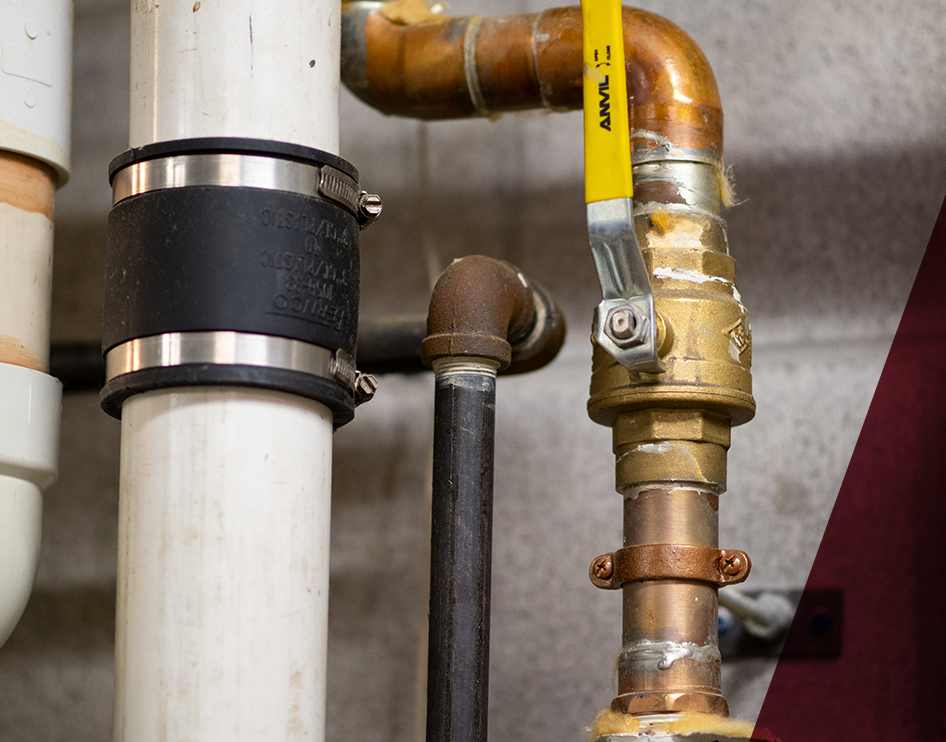
Backflow prevention devices and assemblies must be installed to prevent backflow. Backflow preventers are installed at each cross-connection point and at the water meter. Cross-connection points are any physical connection created between a public water system and the consumer’s water system, including ponds, holding tanks, or wells.
In many cities and townships across Northern Ohio and Southeast Michigan, water departments require documented backflow testing before renewing occupancy permits or business licenses. Our commercial plumbing contractor team is familiar with these local expectations and can coordinate scheduling, testing, and reporting so that facility managers are not chasing multiple vendors or deadlines. By treating backflow prevention as part of an overall plumbing risk management plan, we help reduce the chance of violations or unplanned service interruptions.
There are different types and sizes of backflow preventers used in commercial and industrial buildings, from small devices on individual fixtures to larger assemblies that protect entire service lines. We review how each area of your facility is used, the types of chemicals or processes in place, and the criticality of the water supply. That review helps determine the appropriate devices and testing frequency, and it allows us to recommend improvements that support both safety and operational continuity.
Why Backflow Certification Matters for Your Business
Backflow occurs when contaminated water flows backward into clean water lines. This can happen due to changes in pressure or faulty equipment.
Campbell Mechanical Services helps businesses stay compliant by offering:
- Thorough testing of all backflow preventers
- Detailed inspection reports for your records
- Repairs or replacements when devices fail testing
- Annual certification reminders for ongoing compliance
- Service from experienced commercial plumbing professionals
With proper certification, you can reduce liability, maintain safety, and avoid costly fines.
Backflow certification also supports internal risk and safety initiatives within your organization. Many insurance carriers and corporate safety teams require documented testing as part of their environmental and health standards. By working with one provider for testing, repairs, and recordkeeping, you have a single point of contact who understands your buildings and can quickly provide documentation for audits or reviews.
For facilities that operate under strict regulations, such as healthcare, food and beverage, or manufacturing plants that use chemicals, backflow certification can be tied directly to production uptime. A failed inspection or suspected contamination event can lead to shutdowns while water quality is evaluated. We focus on proactive testing, accurate reporting, and clear communication so that your team can respond quickly if a device fails and return to normal operations with minimal disruption.
What Are the Most Common Signs Your Backflow Preventer Needs Attention?
Businesses often overlook issues until they cause disruptions.
Watch for:
- Unexpected drops in water pressure
- Discolored, cloudy, or foul-smelling water
- Water leaking around backflow prevention devices
- Frequent plumbing system shutdowns
- Devices that have not been tested within the last year
Addressing these issues quickly helps maintain uninterrupted operations and protects the integrity of your water supply.
In multi-tenant buildings, schools, and industrial facilities, these warning signs may appear in different areas of the property at different times. Maintenance teams might receive scattered complaints about water quality, fixture performance, or unexplained shutdowns without realizing they are connected to the same backflow assembly. We help facility managers trace symptoms back to specific devices, prioritize which issues to address first, and build a testing schedule that fits within existing maintenance windows.
Seasonal changes in Northern Ohio and Southeast Michigan can also put additional stress on backflow preventers. Freezing temperatures, corrosion from older piping, and pressure swings during high-demand periods can all accelerate wear on internal components. By combining visual inspections with regular backflow testing, our team can identify devices that are starting to fail and recommend repairs or replacements before they cause unplanned outages or safety concerns.
How Often Should Businesses Schedule Backflow Certification?
Most commercial properties are required to complete backflow testing annually, but high-risk facilities may require more frequent evaluations.
Campbell Mechanical Services recommends routine certification to support:
- Compliance with local and state regulations
- Early detection of equipment failures
- Reliable protection from contamination
- Accurate documentation to satisfy inspections
Their technicians make the process simple by offering scheduled maintenance plans and timely testing to keep your business safe and compliant year-round.
Many local water authorities in Ohio and Michigan send annual notices with specific due dates for backflow testing, and those dates can vary by municipality. Missing a deadline can lead to penalties or, in some cases, suspension of water service until testing is completed. We help clients track these schedules across multiple locations, coordinate access with building occupants, and complete testing while respecting business hours and production needs.
Backflow certification also fits naturally into broader preventive maintenance planning for your plumbing and mechanical systems. When we align testing with other scheduled work, such as boiler service or seasonal shutdowns, your team benefits from fewer site visits and a more coordinated approach to system reliability. This planned approach helps reduce surprise costs and supports a safer, more consistent water supply for everyone who uses your building.
Campbell has the commercial plumbing service expertise to install required water backflow prevention devices. Contact us today for your commercial plumbing contractor needs.
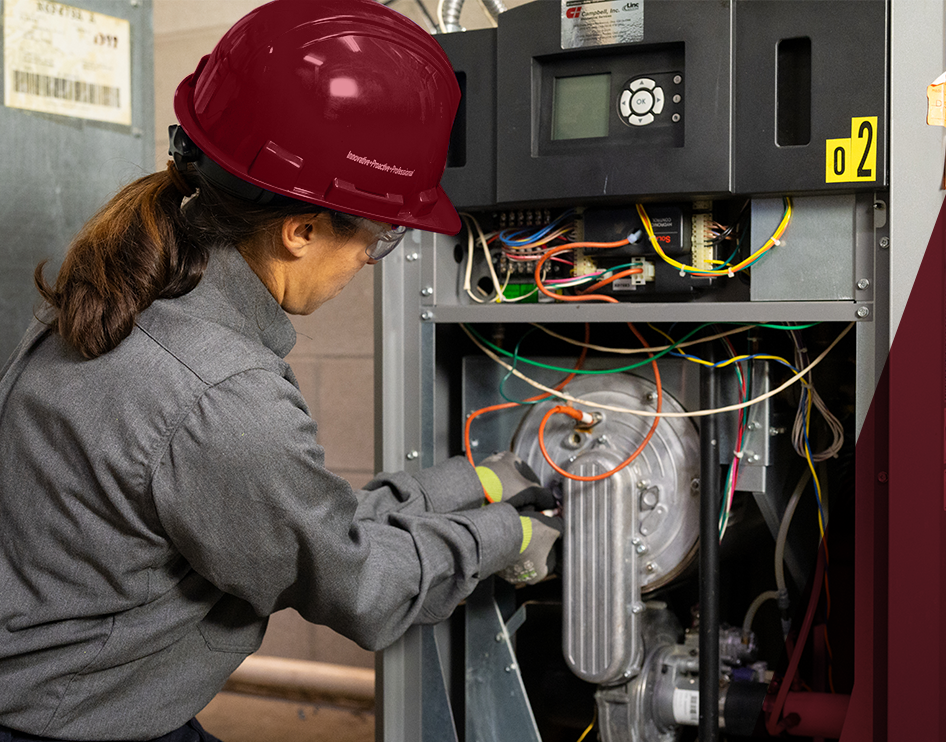
As a leading provider of commercial mechanical contractor services, we know preventative maintenance saves money and time.